
The ancestral Emberá culture in the central-western region of Colombia (Caldas, Risaralda, Antioquia) differs from the coastal groups (Dóbida) and those in the north (Katío) due to its mountainous adaptation, language, and shared customs.
They stand out for their deep connection with the rivers and forests, a social organization based on the Jaibaná (shamanism) and the governance of the cabildo, and a strong oral tradition.
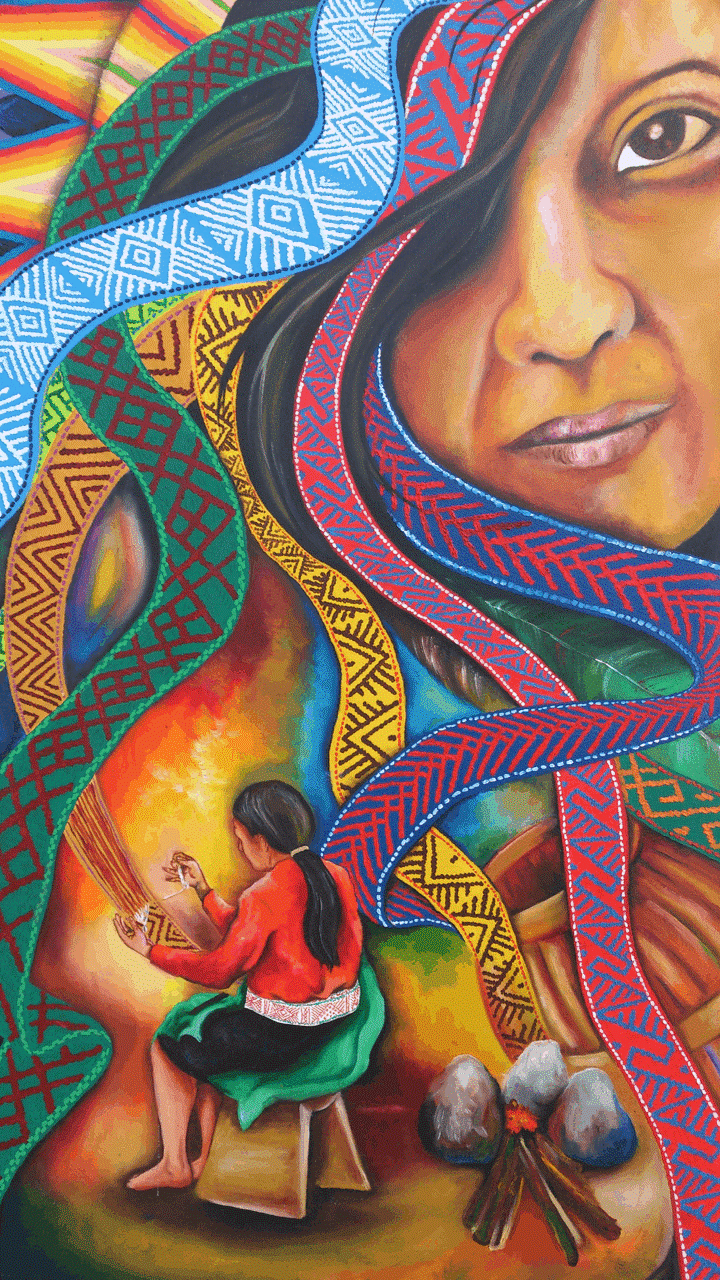
They are artisans. The women are skilled in weaving baskets from bejuco fiber and crafting bead necklaces (woven life) that reflect their worldview, the river, and the forest.
Currently, they face cultural preservation challenges due to territorial reduction, acculturation, and violence, seeking to strengthen their identity through schools of knowledge and the defense of their rights.
Responsible tourism represents a significant opportunity for the conservation and regeneration of indigenous peoples in Colombia. When led by the communities themselves and oriented toward sustainability, it not only protects culture and the environment but also strengthens the local economy and indigenous autonomy. Thus, tourism ceases to be merely an economic activity and becomes a tool for comprehensive development and cultural preservation in our PCCC.
Thank you for being our respectful guest and a lover of our indigenous peoples, the guardians of all our natural and cultural surroundings.
With Colana Travel, a bit of our indigenous magic will accompany you, allowing you to live experiences within their indigenous communities.
I will tell you, in our new publications, the incredible story of Julián, an Emberá who weaves with his feet.
 English
  French